
In life, we sometimes encounter malice that is impossible to comprehend. When we face those who trample over our boundaries and ensnare us with lies, a sharp blade named “justice” rises within our hearts. The desire to condemn them and the longing for them to reap what they have sown is a natural human instinct. However, the deeper our hatred grows, the more the center of our lives shifts toward the perpetrator. We find ourselves monitoring their every move, wondering if they are still thriving, and tethering our emotional well being to their actions.
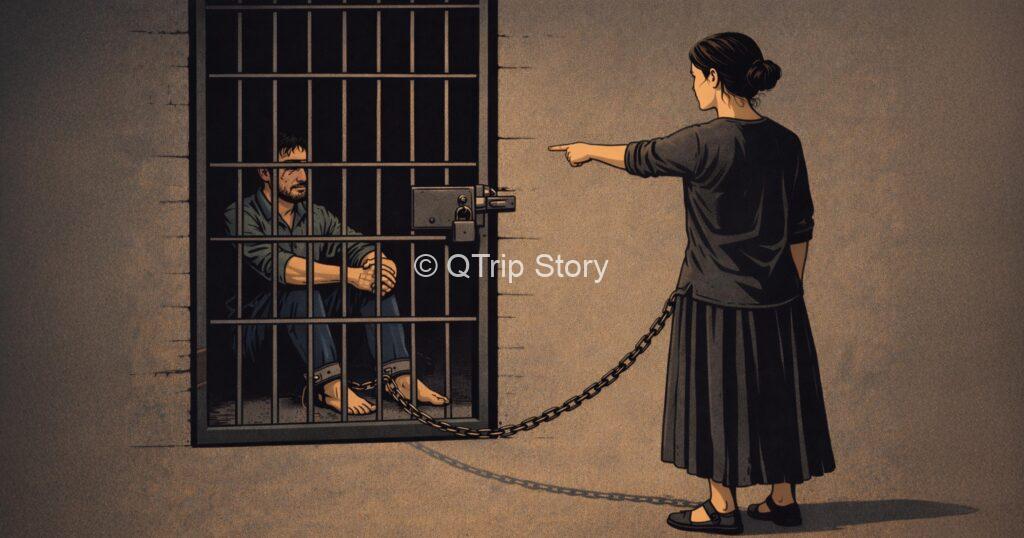
Hatred is the most toxic form of attachment. As long as I harbor hatred, I cannot take a single step out of the cycle of pain they created. Ultimately, forgiveness is the act of walking out of the prison of hatred. Rather than a generous act of granting immunity to the offender, forgiveness is a resolute act of self deliverance severing the cords of negative energy that bind me to that person.
We often fear that if we forgive, the perpetrator will escape without consequence. Yet, the forgiveness spoken of in the Bible is not the abandonment of justice, but the transfer of the right to judge to God. It is washing the blood from our own hands, clearing the poison from our hearts, and entrusting the final verdict to God, the righteous Judge.

As long as I sit in the judge’s seat, I can never know peace. That seat is far too hot and heavy for any human to endure. The Lord’s command to forgive “seventy times seven” is a fatherly consideration, desiring that we do not wound ourselves while wielding a heavy sword we were never meant to carry.
Choosing to forgive does not mean the wound heals instantly. Scars remain, and pain may flare up from time to time. However, the decision to no longer let that pain dominate my life is what sets me free.
From the Cross, Jesus prayed for those who mocked Him; His gaze pierced through the malice of the perpetrators to see the misery of their sin. If we can borrow even a fraction of that higher perspective, we can finally open the gates of our internal prison and fully live the precious “today” given to us. Forgiveness is not a favor granted to others; it is a desperate yet beautiful choice made by one who longs to breathe again before God.