
“Do not move your neighbor’s boundary stone set up by your predecessors in the inheritance you receive in the land the Lord your God is giving you to possess The judges must make a thorough investigation, and if the witness proves to be a liar, giving false testimony against a fellow Israelite then do to the witness as he intended to do to his fellow Israelite. You must purge the evil from among you(Dt. 19:14-21).”
Moving a boundary stone at will and giving false testimony stems from an arrogance that utterly disregards others. The ruthlessness of stepping on a neighbor for one’s own gain remains unchanged from Old Testament times to this day.
Mentally, I know all too well the duty to love God and one’s neighbor. But when it is my own boundaries that are invaded and I am the one struck by the arrows of false witness, where can I find compensation for that injustice? Jesus commanded us to forgive seventy-times seven, and while I resolve to obey, the residue of resentment deep within me still stirs. Even while praying, my true feelings slip out: “God, please, do something about those people.”
I believe God will judge them one day, yet seeing them thrive before my eyes makes me sit in God’s seat and play the judge myself. I feel a chill realizing that through hating and condemning, I am becoming a monster just like them.
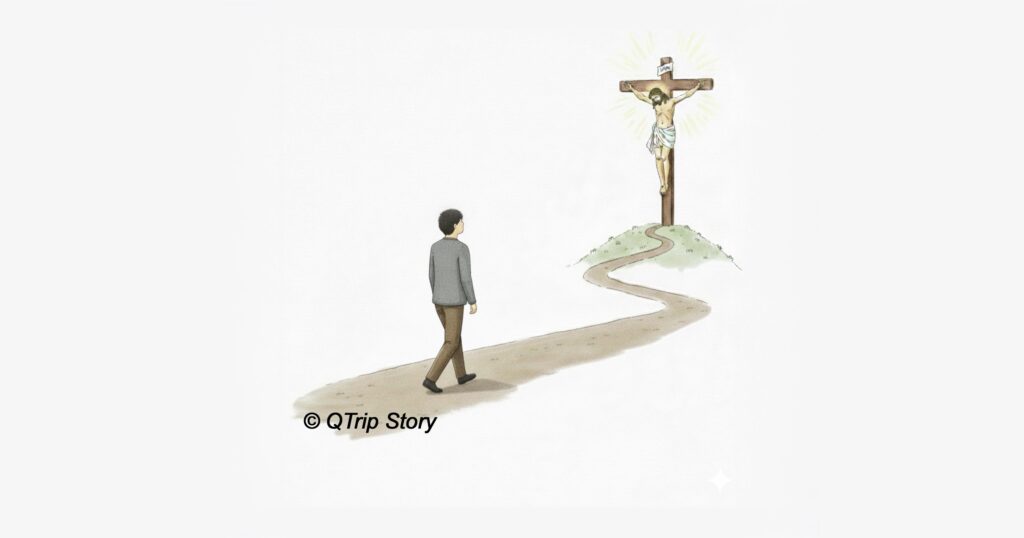
Because I loathe that version of myself, I choose forgiveness once again. It is not because they deserve it, but a desperate choice I make simply to survive. I refuse to lock myself in the prison of hatred. I meditate on Jesus, who prayed for those crucifying Him, “Father, forgive them.” I want to be even a little like Him. Today, I practice handing over the sword of judgment entirely to God.